Services information

Common financing structures for industrial equipment.

This page provides a neutral overview of structures associated with equipment acquisition and working-capital planning. It is educational and does not constitute an offer, recommendation or approval.

Structure 01

Finance lease

A finance lease can support the use of industrial equipment through agreed periodic payments over a defined term. Depending on the documented structure, relevant topics may include full or partial amortisation, residual value, contract duration and end-of-term options.

  • May support predictable payment planning over the agreed period
  • Terms can be considered in relation to the asset's expected useful life
  • Accounting, tax and ownership treatment should be reviewed independently
Structure 02

Hire-purchase

Hire-purchase is generally associated with instalment payments and a documented path to ownership. The legal and economic treatment can differ from leasing and should be examined with qualified advisers before any commitment.

  • May be relevant where ownership is a central long-term objective
  • Payment schedules may be aligned with the investment planning horizon
  • Security, title, tax and balance-sheet implications require individual review

Structure 03

Rental and operating flexibility

Rental or operating-lease concepts may be considered when access, capacity flexibility or a shorter planning horizon is more important than ownership. Availability and contractual features vary by asset, jurisdiction and provider.

  • Can support temporary or changing production requirements
  • May help bridge timing gaps in equipment availability
  • Return conditions, use limits and risk allocation should be understood

Structure 04

Sale-and-lease-back

In a sale-and-lease-back structure, an existing asset is sold and then leased for continued use. Its general objective is to release liquidity while maintaining operational access to the asset. Valuation, eligibility, legal title and contractual obligations are assessed separately.

  • Designed to connect an owned asset with liquidity planning
  • Depends on asset condition, market value and documented ownership
  • Tax, accounting and transaction costs require professional analysis

Structure 05

Factoring context

Factoring generally involves the assignment or sale of eligible trade receivables to improve the timing of cash collection. It is distinct from equipment finance but may form part of broader working-capital planning. The exact structure may include recourse, service and credit-risk elements.

  • Focuses on receivables rather than machinery ownership
  • Eligibility may depend on debtor quality, invoice status and documentation
  • Fees, recourse and customer-notification arrangements should be compared
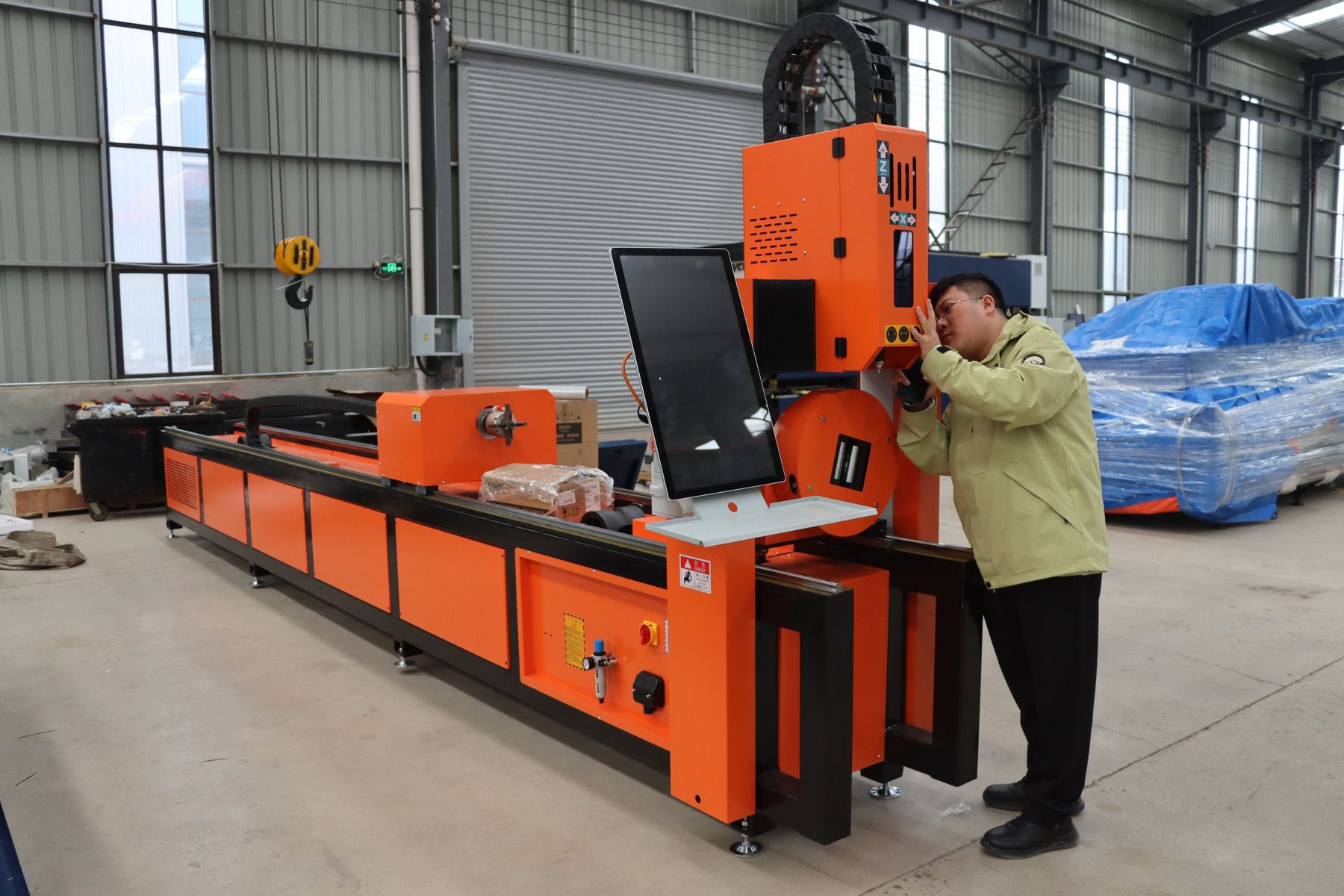
Industrial machine in a production facility
Asset-specific reviewAge, condition, specification, intended use and market value can affect the available structure.

Comparison guide

Questions to raise before a formal assessment.

The appropriate questions depend on the asset and the business case. The table highlights broad distinctions only.

TopicLeaseHire-purchaseRental
Primary emphasisUse over an agreed termInstalments and ownership pathAccess and flexibility
Planning questionTerm, amortisation and residual valuePayment plan and title transferDuration, return and use conditions
Professional reviewAccounting, tax and legal treatmentOwnership, security and tax treatmentRisk allocation and operating obligations

Frequently asked questions

General information before contact.

No. The website does not host an application, account area, payment service or automated credit decision. The contact page prepares an email for a general information request.

No. Any possible transaction would depend on separate eligibility, credit, compliance, asset and documentation reviews and would require a written agreement.

No. The material is general information. Businesses should obtain advice from qualified professionals familiar with their jurisdiction and circumstances.

A brief description of the equipment, approximate timing, intended use and the information you are seeking is usually sufficient. Do not send sensitive financial records through the initial contact form.

Need clarification on a structure?

Contact the office with a general question. The website will open your email application with a prepared message.

Contact us